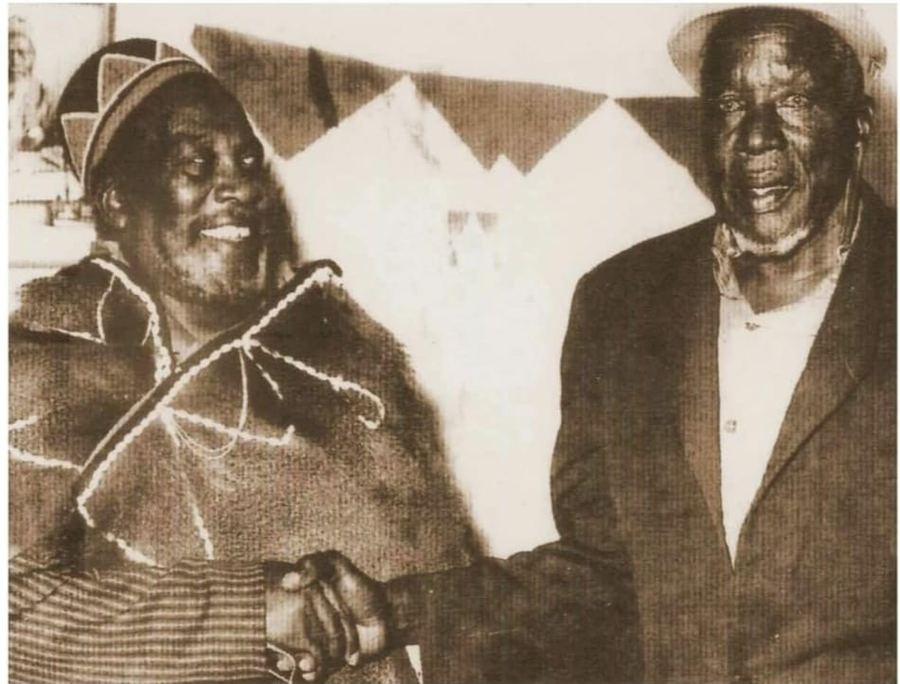
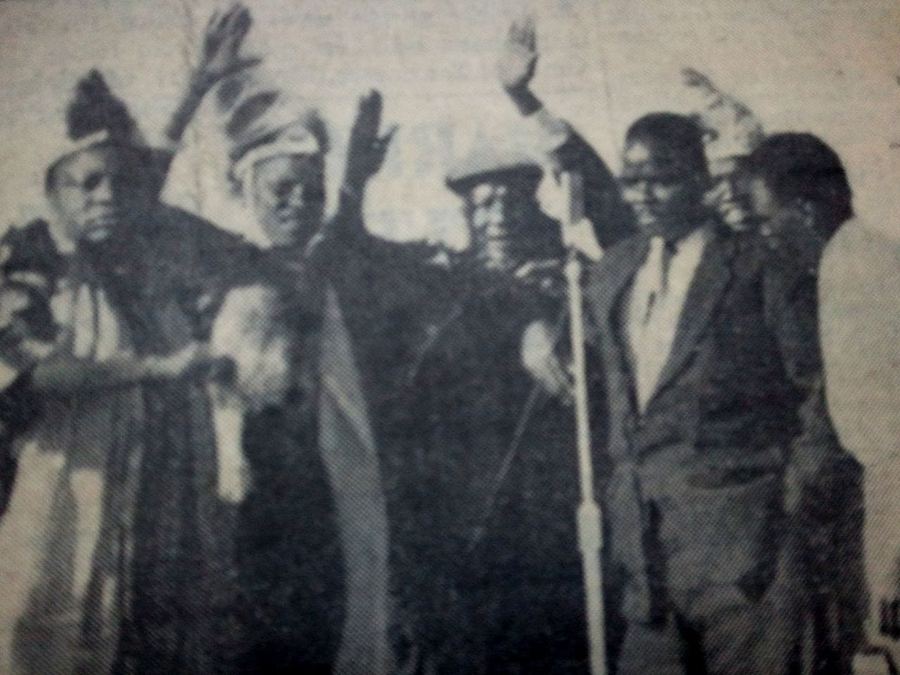
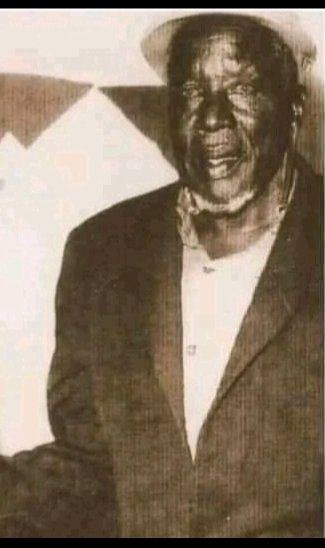
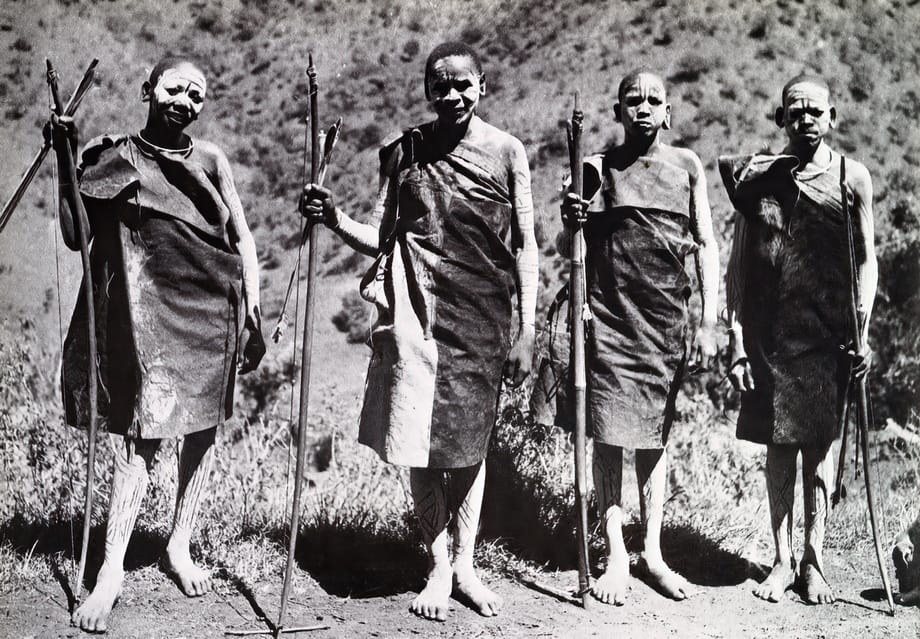
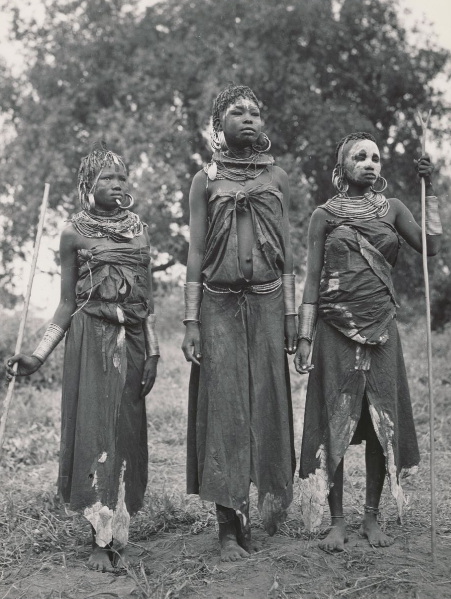
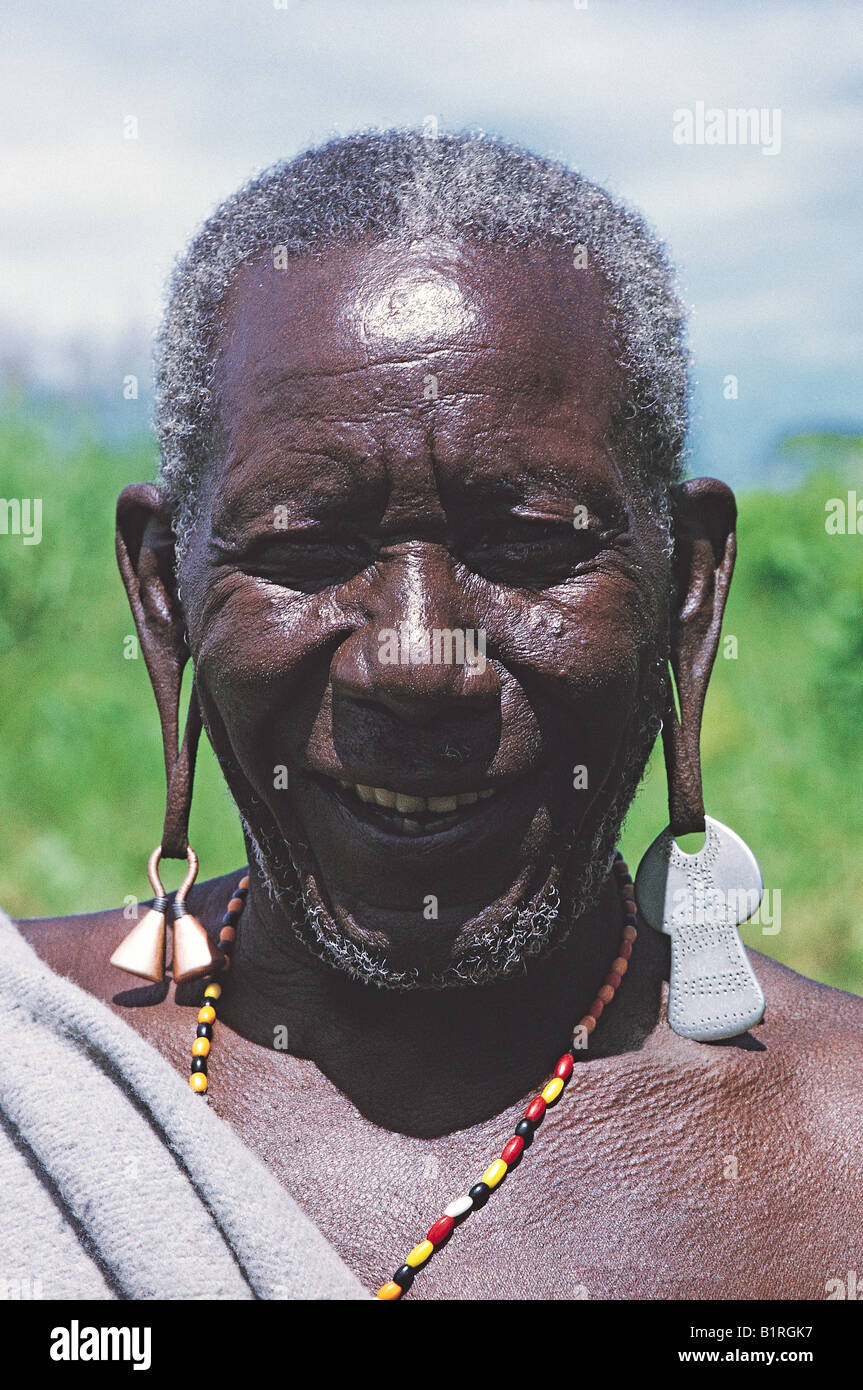
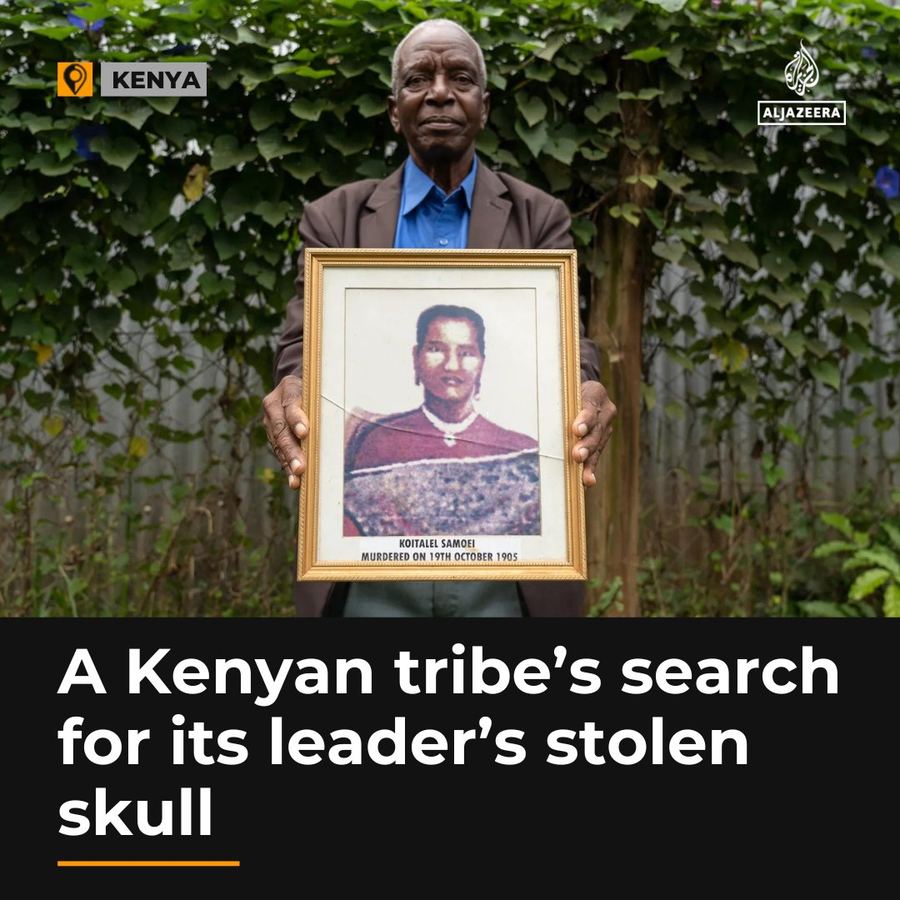
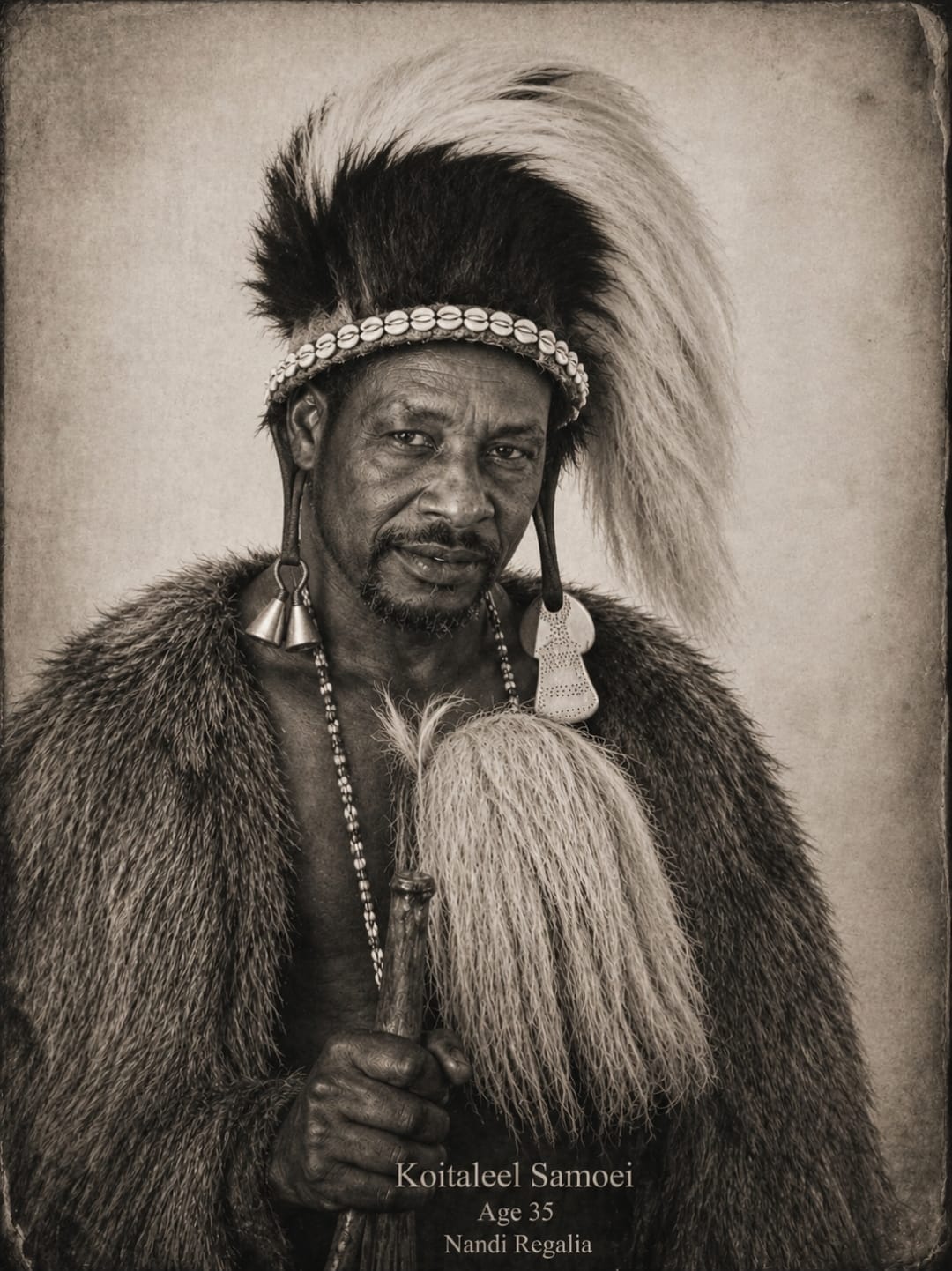
This is a living memorial to Koitaleel Samoei β full name Barbarani Kimanyei Koitaleel Samoei β son of Kimnyolei Arap Turgat, and grandson of Turgat, the Maasai-born prophet adopted by the Nandi as an Orkoiyot. Born into a dynasty of seers and installed by communal consent as the voice of Asis, Koitaleel did not merely inherit authority β he earned it through prophecy, ritual courage, and a military brilliance that humiliated the British Empire for eleven years.
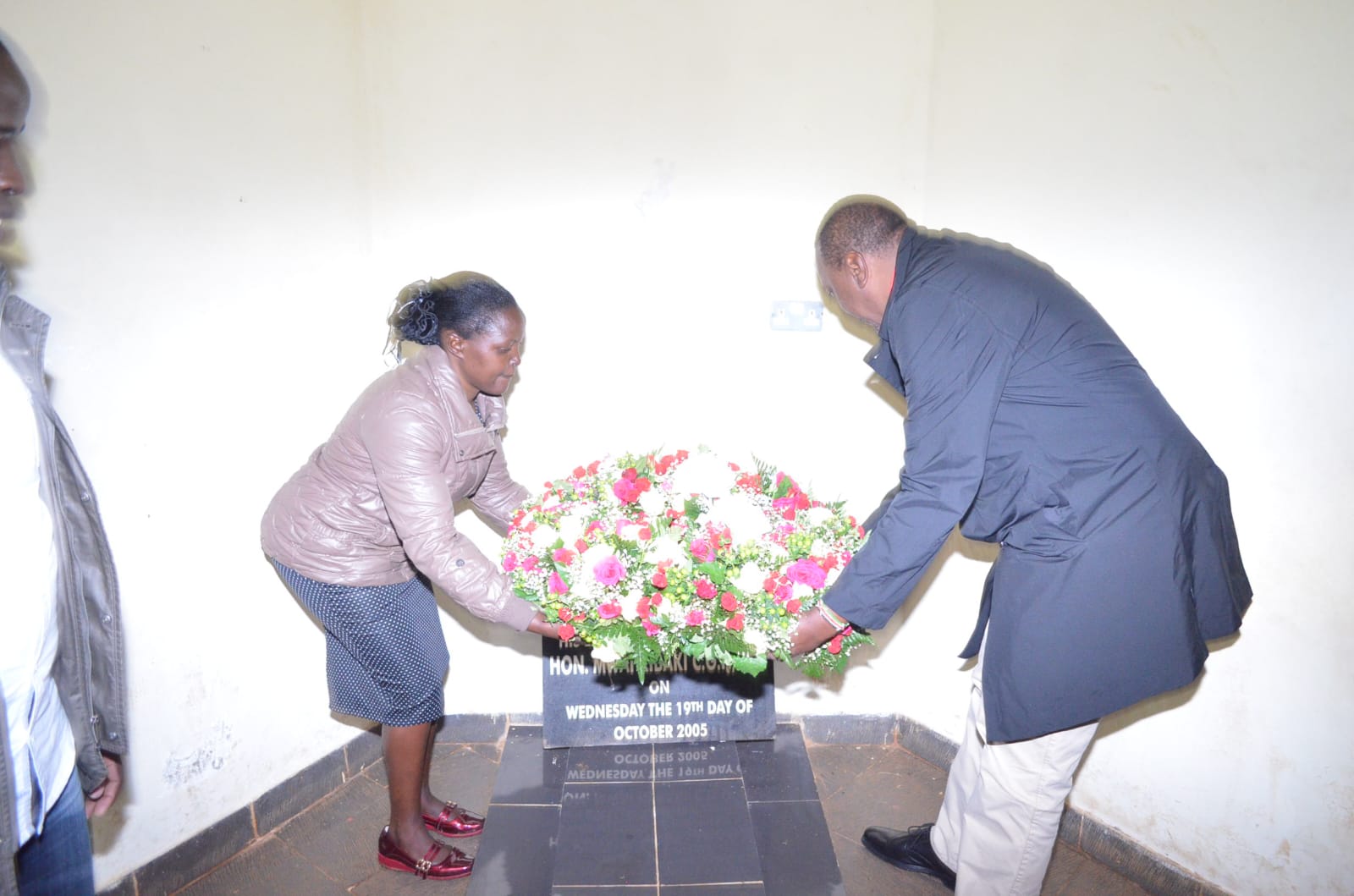
In 1897, he repelled a British expedition of over 1,000 soldiers at Kamelilo β the kind of victory colonial East Africa had rarely seen. He fused the sacred triad of prophecy, ritual authority, and guerrilla strategy into a unified resistance that no superior firepower could break. He was not defeated. He was betrayed β shot unarmed under a false flag of peace on 19 October 1905, his skull taken to Britain and never returned.
Built by Raymond Kiryongi β Nandi farmer, software developer, scholar, and composer β this site weaves together oral history from Turgat's descendants, with much credit to Silas Tarus, a descendant of Koitaleel. Academic research, an AI-composed tribute album, and an open tribute wall complete this offering. It is scholarship and song together: one documents, the other resurrects.
Prophecy, ritual authority, and military ingenuity. Ten years that humiliated a colonial empire.
AI-composed tribute songs blending ancient Kalenjin rhythms with prophetic chants.
A living sanctuary for descendants, scholars, farmers, and admirers to share memories.
Oral histories and scholarly references that anchor this legacy in truth.
Koitaleel Samoei was the supreme Orkoiyot of the Nandi β prophet, high priest, and battlefield commander in one. He foretold the Uganda Railway as a "black snake spitting fire" and led guerrilla campaigns that repelled British forces for over a decade.
Four AI-composed tracks honoring Koitaleel and the larger House of Turgat. Raymond Kiryongi merges traditional Kalenjin sound with contemporary AI tools to produce something the ancestors would recognise.
Koitaleel's legacy lives through the community that remembers him. Share your family memory, poem, oral history, or reflection. This wall is a sacred, living space β open to all who carry his story.
The black snake spitting fire will come β and when it does, do not bow. Let the land remember who we are.β Koitaleel Samoei, oral tradition
They wrote you down as rebel chief, but the ancestors wrote you as belief. β Raymond Kiryongi
Asis above Β· The spear that still flies Β· The hills that still remember
Koitaleel Samoei (c. 1860β1905) emerged as supreme Orkoiyot of the Nandi, embodying Kalenjin spiritual and political authority. Following in his father Kimnyolei's footsteps, and with communal blessings plus signs from Asis β the Kalenjin sun deity β he guided his people through prophecy and ritual.
His selection as Orkoiyot was not a political appointment but a divine designation. Even in youth, community memory recalls that Koitaleel spoke of events before they occurred, read the landscape with prophetic clarity, and carried the quiet weight of one who knew their purpose from birth.
He foretold the coming of the "black snake spitting fire" β the Uganda Railway β using this vision to rally warriors and warn against collaboration. The railway was not merely infrastructure; it was a declaration of permanent colonial possession.
By naming the threat before it fully arrived, Koitaleel gave the Nandi a cosmological framework for resistance. The British were not "bringing progress" β they were fulfilling a dark prophecy the Orkoiyot had already interpreted.
Through sacred consultations, prophetic brews, and prohibitions rooted in tradition, he maintained unity, morale, and spiritual strength against colonial pressures. Before any significant military action, sacred rituals were observed β creating the psychological and communal infrastructure of solidarity.
Koitaleel masterminded guerrilla ambushes in forested ridges, used terrain knowledge for surprise attacks, disrupted supply lines, and repurposed captured materials β holding resistance for over ten years. The British launched no fewer than five major punitive expeditions. None succeeded.
The great victory of 1897 β repelling a British caravan of over 1,000 soldiers β stands as a monument to this genius. The news reverberated across colonial East Africa.
On 19 October 1905, Colonel Richard Meinertzhagen invited Koitaleel to a peace negotiation. What followed was a premeditated assassination β shot dead under the flag of peace, along with approximately 23 followers. His skull was taken to Britain. It has not been returned.
By fusing prophecy and ritual with adaptive strategy, Koitaleel transformed resistance into holistic defence, enriching our understanding of African agency and decolonial heritage today.
This original paper by Raymond Kiryongi forms the intellectual backbone of this memorial. Together, the paper and the album Koitaleel Samoei & The House of Turgat constitute a dual offering β one a rigorous academic argument, the other a sonic libation poured out in sound and verse. Where the paper documents and analyses, the music breathes and resurrects. Together they form a living tribute: scholarship that sings, and song that cites.
The paper advances a decolonial reading of Koitaleel's eleven-year resistance, arguing that his success was rooted in the sacred fusion of prophetic vision, ritual authority, and adaptive military genius β a triad inherited through the TurgatβKimnyolei lineage, and embodied in every ambush, every taboo, every verse of this album.
The House of Turgat's power was not seized or inherited by blood alone β it was communally bestowed by the Nandi people. Turgat himself was a Maasai-born stranger, adopted and installed by the Nandi community as the founding Orkoiyot of his line β the first in what became the House of Turgat. The Nandi had known Orkoiyots before him; what was new was this dynasty, communally established with Turgat as its root. The authority of every Orkoiyot that followed was an ongoing act of communal trust.
The community conferred three specific powers upon the House of Turgat through Turgat's installation:
No Orkoiyot ruled alone. Every reign operated through a council of 24 Maotik β with each Nandi clan holding at least two representatives, each carrying a distinct and defined role. The council was a living constitution: checks, expertise, and clan accountability built into the very structure of governance.
Within the council, roles were specialised. Some Maotik served as diviners β reading signs, interpreting omens, and discerning hidden causes. Others were prophets β speaking forward, warning of what was to come. The Orkoiyot drew on both, synthesising their counsel into decision.
The finest Orkoiyots were distinguished by their ability to harness this collective system fully β drawing on the council's depth of knowledge, the clan representatives' loyalty, and the community's trust to offer leadership that felt divinely guided and practically grounded at once. It was a sophisticated governance model that the British fundamentally misread as mere superstition.
When Kimnyolei Arap Turgat was killed in the early 1890s β betrayed through a Kapsiondoi-orchestrated failed raid that decimated the Korongoro age-set β it was more than the death of a man. It was as though leadership itself was torn from the family. His sons scattered to Kipsigis. The Orkoiyot seat fell dark. The community was left without its anchor.
When the Nandi community sought out Koitaleel Samoei in the mid-1890s and called him back from Kipsigis to lead β this was not a simple appointment. It was a restoration. Leadership was returned to the House of Turgat. The three bestowed powers were re-activated in his person, and in doing so, the community reaffirmed the covenant it had made with Turgat a century before.
Koitaleel's reign achieved something no predecessor had managed to this degree: the unity of the wider Kalenjin nation. His supreme authority was not confined to the Nandi alone. All the sister sub-tribes of the larger Kalenjin family β Kipsigis, Tugen, Marakwet, Sabaot, and beyond β subscribed to his reign. They recognised in him not only a Nandi Orkoiyot but a pan-Kalenjin authority. This is why his assassination on 19 October 1905 was not merely a Nandi loss. It was a wound felt across an entire civilisation.
These songs breathe life into ancient Kalenjin rhythms, prophetic chants, and warrior spirit β composed with AI as a collaborator, honoring those who held the line.
Upload your own MP3s directly below to add them to your player β no page reload needed.
Raymond Kiryongi is a farmer and scholar deeply rooted in both Uasin Gishu and Nandi County. Raised in the traditions of the Kaptulel Kaprotuk clan, he grew up breathing the oral histories, the praise songs, and the unresolved grief of a people whose greatest leader was murdered under a flag of peace.
He holds an MBA in Strategic Management from the University of Eastern Africa, Baraton β bringing the analytical rigour of a trained scholar alongside the instinctive knowledge of a community insider. His published work with international journals has focused particularly on Quality Work Life.
Scholarly publications: View on Google Scholar β
Raymond is also a music composer relying on AI to publish tribute songs β merging oral tradition, community memory, academic research, and AI-assisted composition to produce art that feels both ancient and urgently alive.
University of Eastern Africa, Baraton
International journals β Quality Work Life
Kalenjin tradition meets contemporary AI sound
Uasin Gishu & Nandi County, Kenya
Koitaleel's legacy lives through us. Share memories, family stories, poems, or reflections β from descendants, scholars, farmers, and admirers alike.
"My grandfather told me that when the British came, Koitaleel sent word through the ridges β do not sell your cattle, do not show them your paths. He saw everything before it happened."
"The Nandi resistance under Koitaleel represents one of the most sustained and organised anti-colonial campaigns in pre-independence East Africa."
"Son of Turgat, breath of Asis β you named the snake before it came. The rails sang your defeat, yet the hills still speak your name."
"May your skull find its way home. May the land that held your footprints receive your bones. May the children of Nandi grow up knowing: you were never defeated. You were betrayed."
Primary oral source. Conversations conducted with Barsirian's son, whose family lineage carries direct community memory of the events of 1895β1905. Oral histories of this kind are treated as primary evidence and cross-referenced with written sources for balance.
Oxford: Clarendon Press. A foundational β if imperfect β colonial-era ethnographic text. Pages on Orkoiyot governance and social structure (approx. pp. 7β50) are relevant for understanding ritual authority and age-set divisions. Used with awareness of colonial bias; cross-referenced with oral traditions.
Original working paper. Nandi County, Kenya. Triangulates colonial records, Nandi oral traditions from Turgat's descendants (Barsirian Manyei, Kebenei Manyei lineages), and the author's AI-assisted music album as a living cultural artefact. Full paper available on the Biography page of this memorial.
Colonial sources on the Nandi are used here with care β not rejected, but not trusted uncritically. Where colonial accounts and oral traditions diverge, this project notes the divergence and ultimately weights community oral memory as the living bearer of truth that written colonial records were structurally unable to hold.
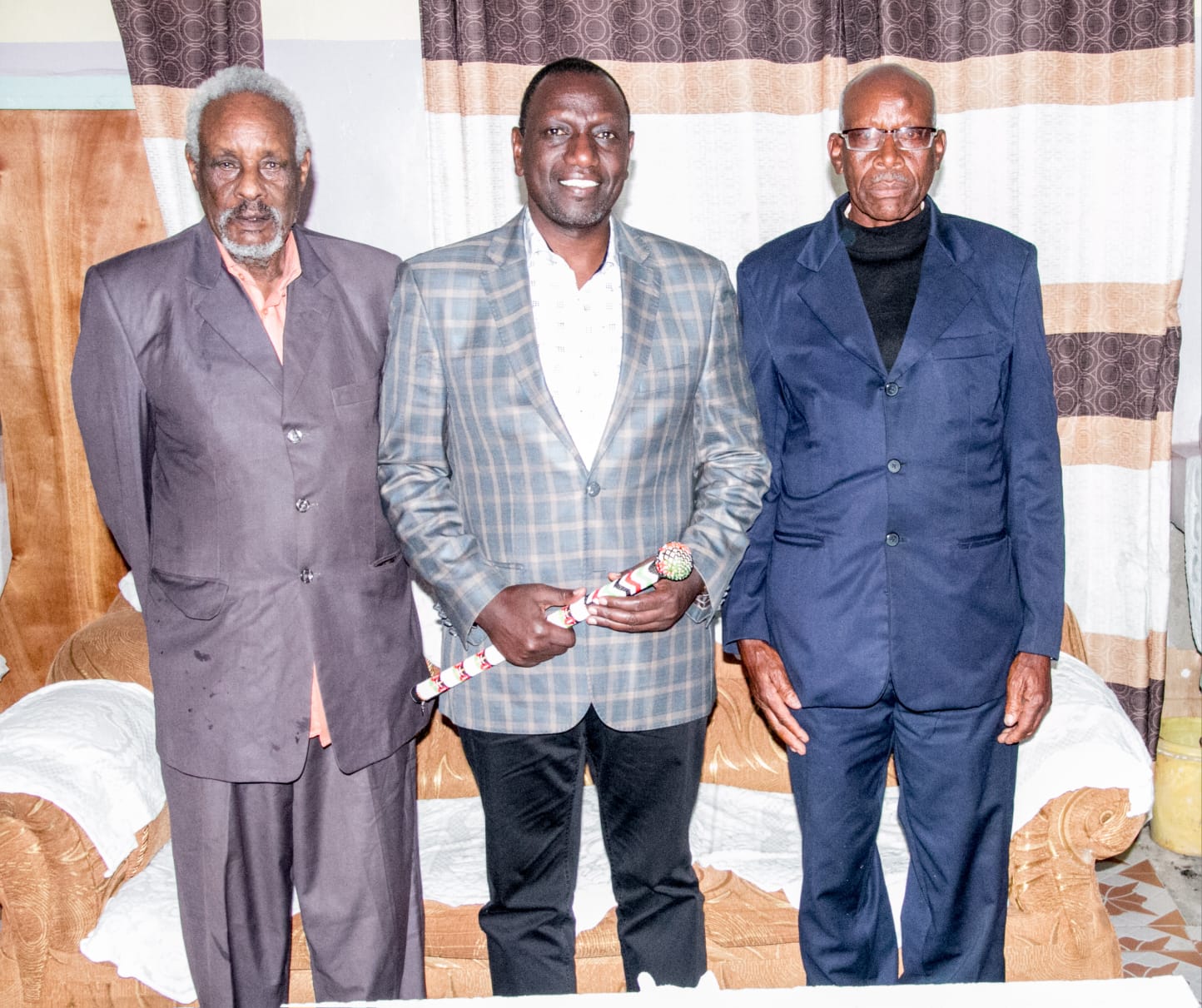
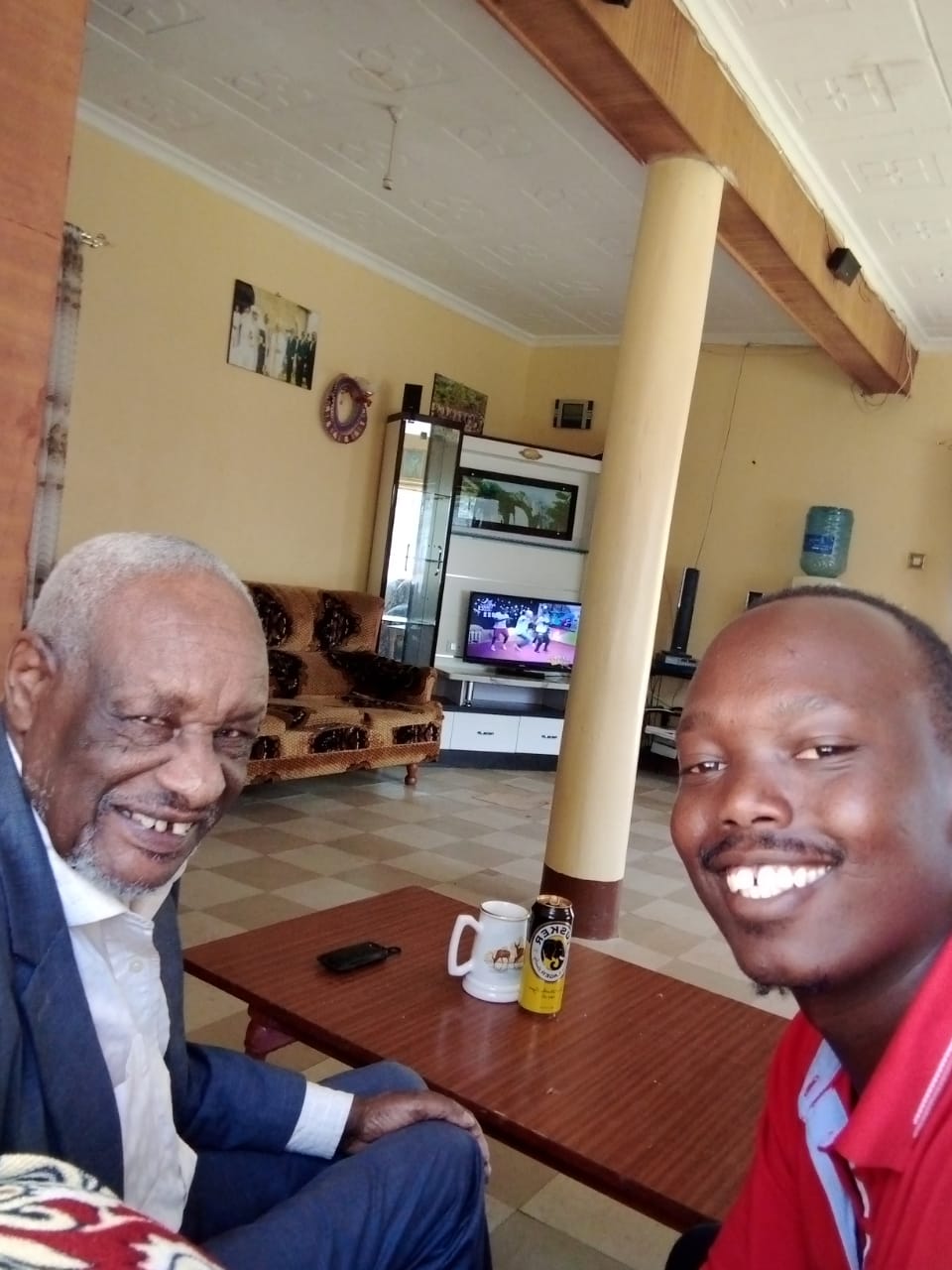
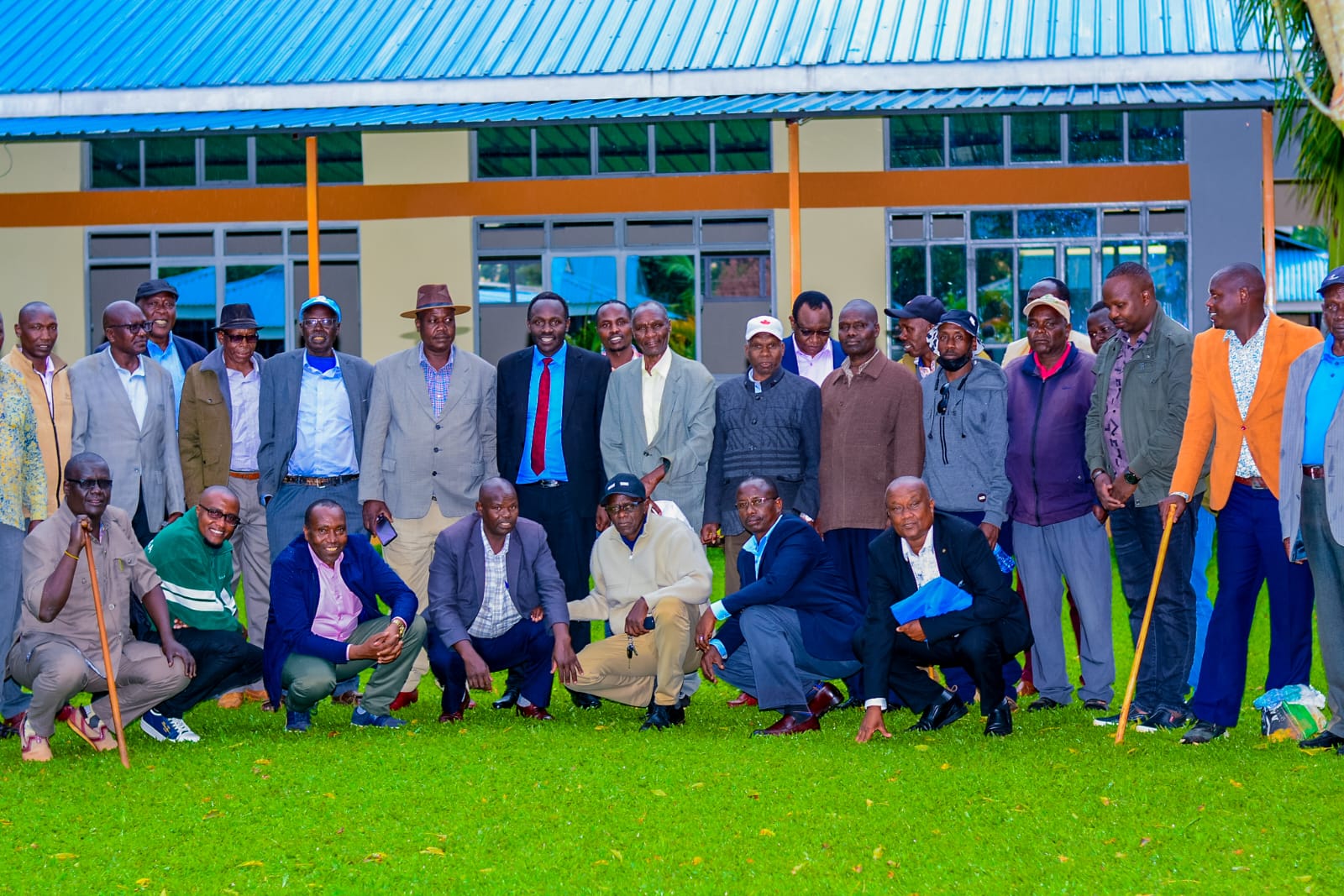
This genealogy is drawn from Silas Tarus and his brother Ambrose Tarus, descendants of Koitaleel, nourished by the elders of the house, among them Kebenei Manyei and others who carry this history in living memory. Cross-referenced with the working paper by Raymond Kiryongi (2026). Many descendants exist beyond those named here. The lineage continues.
Declared by: Raymond Kiryongi | House of Kiryongi, Kaptulel Kaprotuk Clan, Nandi Nation, Kenya
The following musical compositions, collectively titled Koitaleel Samoei & The House of Turgat, were created by Raymond Kiryongi using Suno AI as a generative music tool. The lyrics, concepts, narrative direction, historical content, thematic vision, and all creative decisions were solely originated and directed by Raymond Kiryongi:
As per Suno AI's Terms of Service (applicable to paid subscription plans), users retain full ownership of the songs they create using the platform. Raymond Kiryongi, operating under a paid Suno AI subscription, is therefore the sole legal owner of the above compositions β including the lyrics, melodic structures, and any derivative works.
All lyrical content, historical references, oral traditions, and narrative elements in these compositions are drawn from the personal research, community oral histories, and scholarly work of Raymond Kiryongi, as detailed in the Sources section of this memorial. The cultural heritage being honoured β the Nandi people, the Orkoiyot tradition, and the legacy of Koitaleel Samoei β belongs to the Nandi community. These compositions are offered as a tribute, not a claim over that heritage.
All compositions are copyright Β© Raymond Kiryongi. They may be shared freely for non-commercial tribute, educational, and community purposes with attribution. Any commercial use, synchronisation, or redistribution requires written permission from Raymond Kiryongi.
For licensing, permissions, or enquiries, please reach out via the or through Raymond Kiryongi's scholarly profile.
Upload your official PDF declaration or certificate below. It will display directly on this page for visitors to view.
The House of Turgat lineage is kept alive by its descendants and custodians. For inquiries relating to family heritage, oral history, the memorial, or the Koitaleel legacy β reach out directly to those who carry this history.
Silas Tarus and Ambrose Tarus are descendants of Koitaleel Samoei, nourished by the elders of the House of Turgat β among them Kebenei Manyei and others who have carried this oral heritage across generations. They are the custodians of this lineage and the primary sources behind the genealogy documented on this memorial.